
A simple recipe with just a few ingredients—perfect for making delicious taralli to enjoy at any time of day!
- There are no more items in your cart
- Shipping
- Total €0.00
Latest posts
-
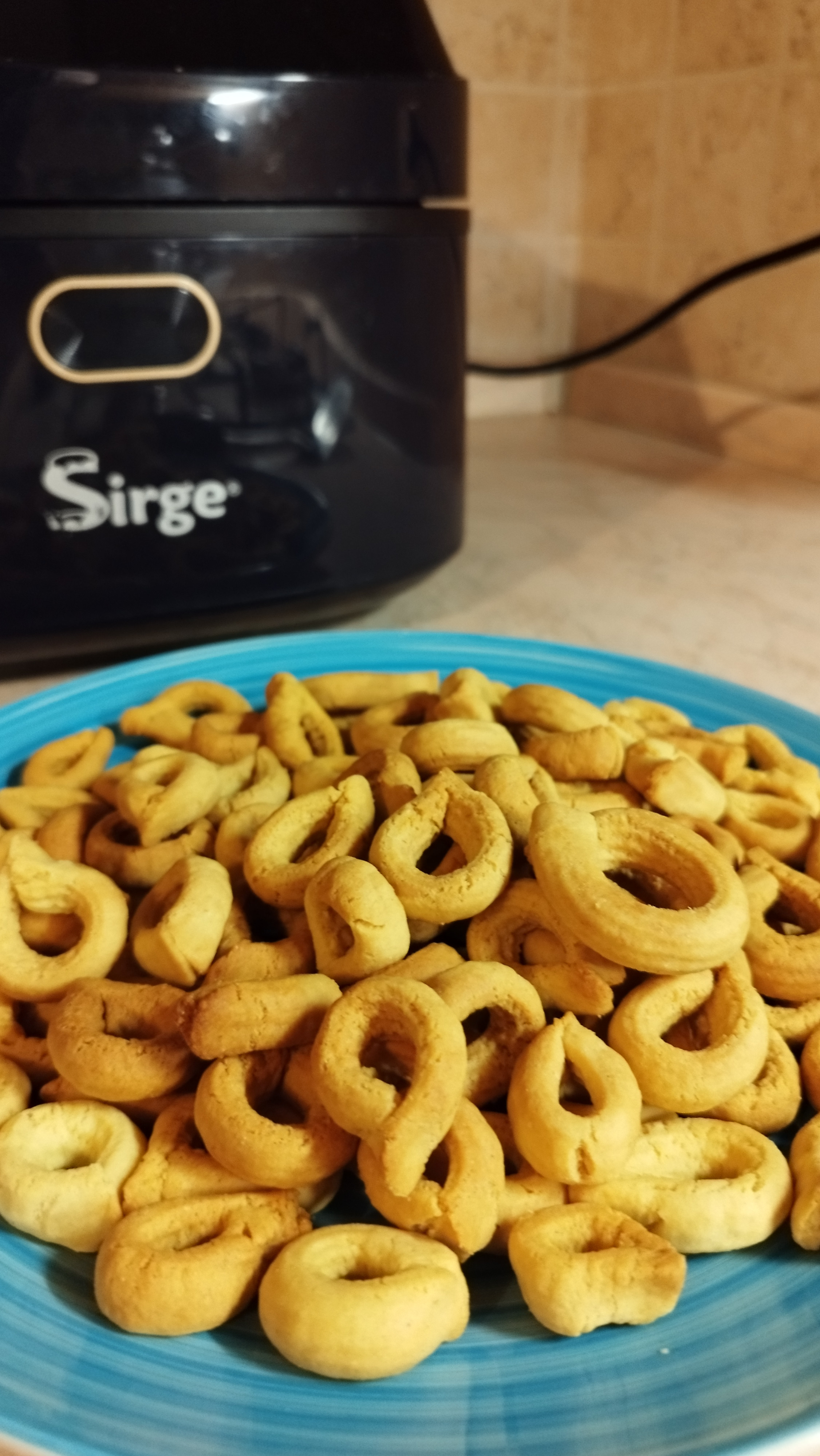 Homemade taralli—super crumbly, crunchy, and fragrant!Read more
-
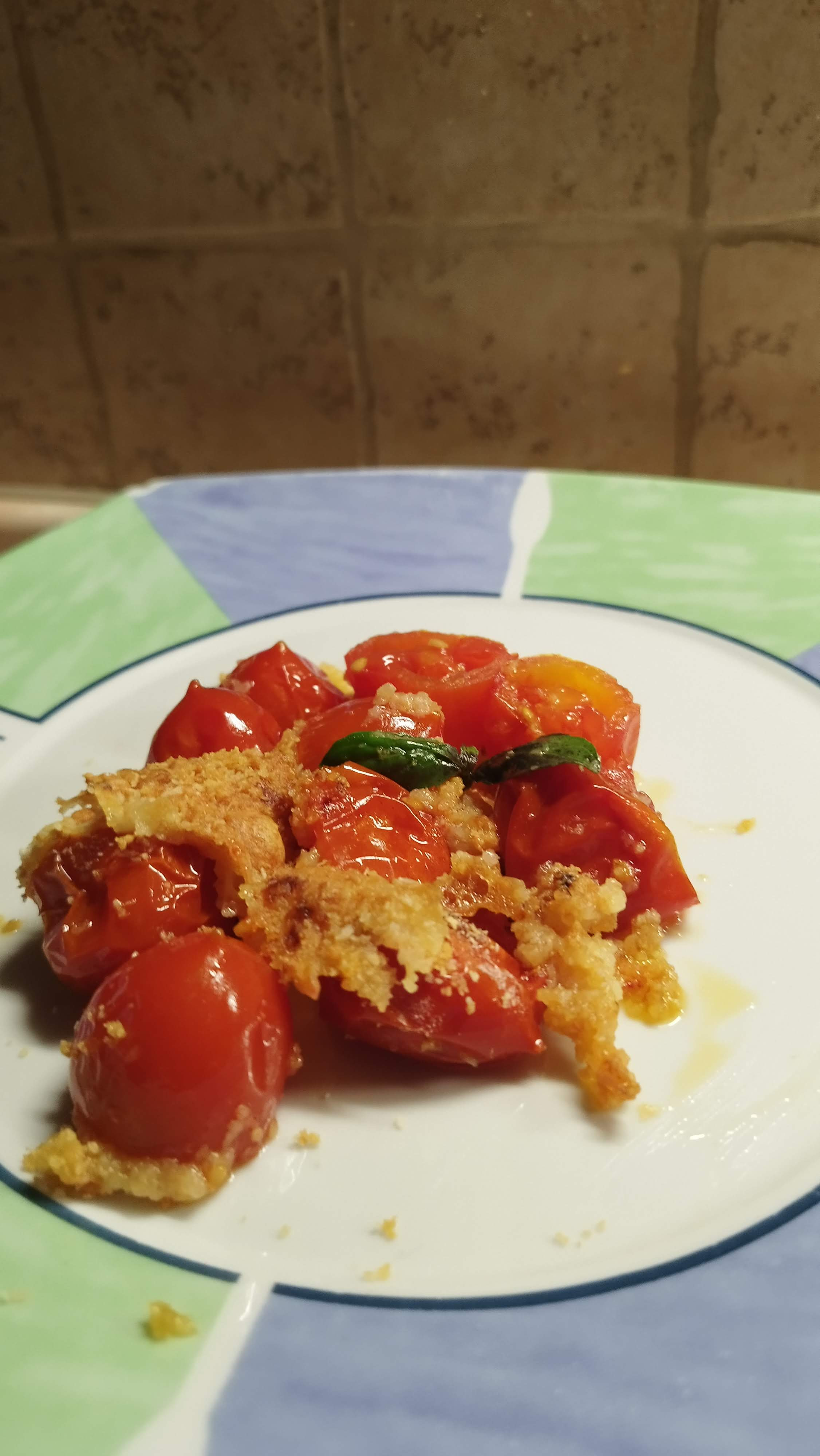
-
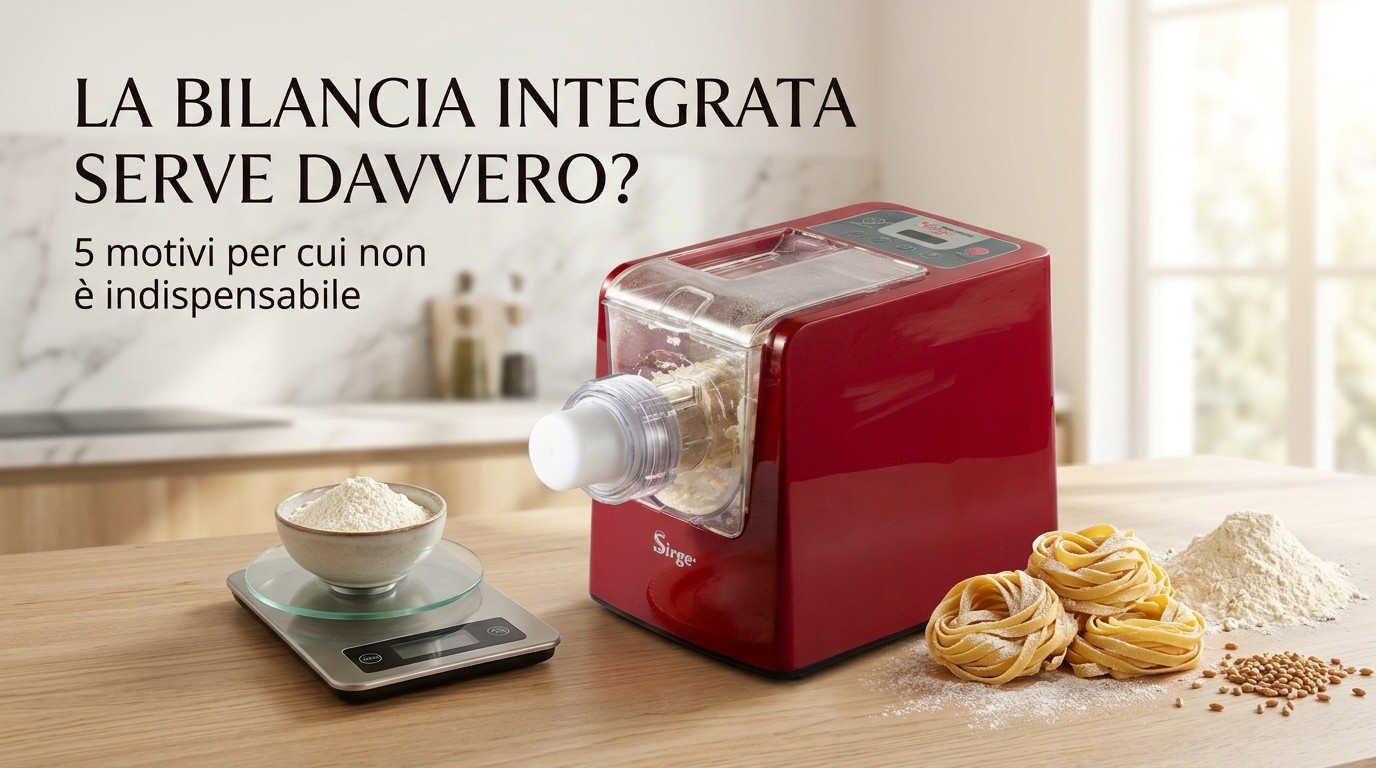 Does a built-in scale really make for better pasta? 5 reasons why it’s not essentialRead more
Does a pasta machine with a built-in scale actually produce better pasta? When choosing an automatic fresh pasta...
-
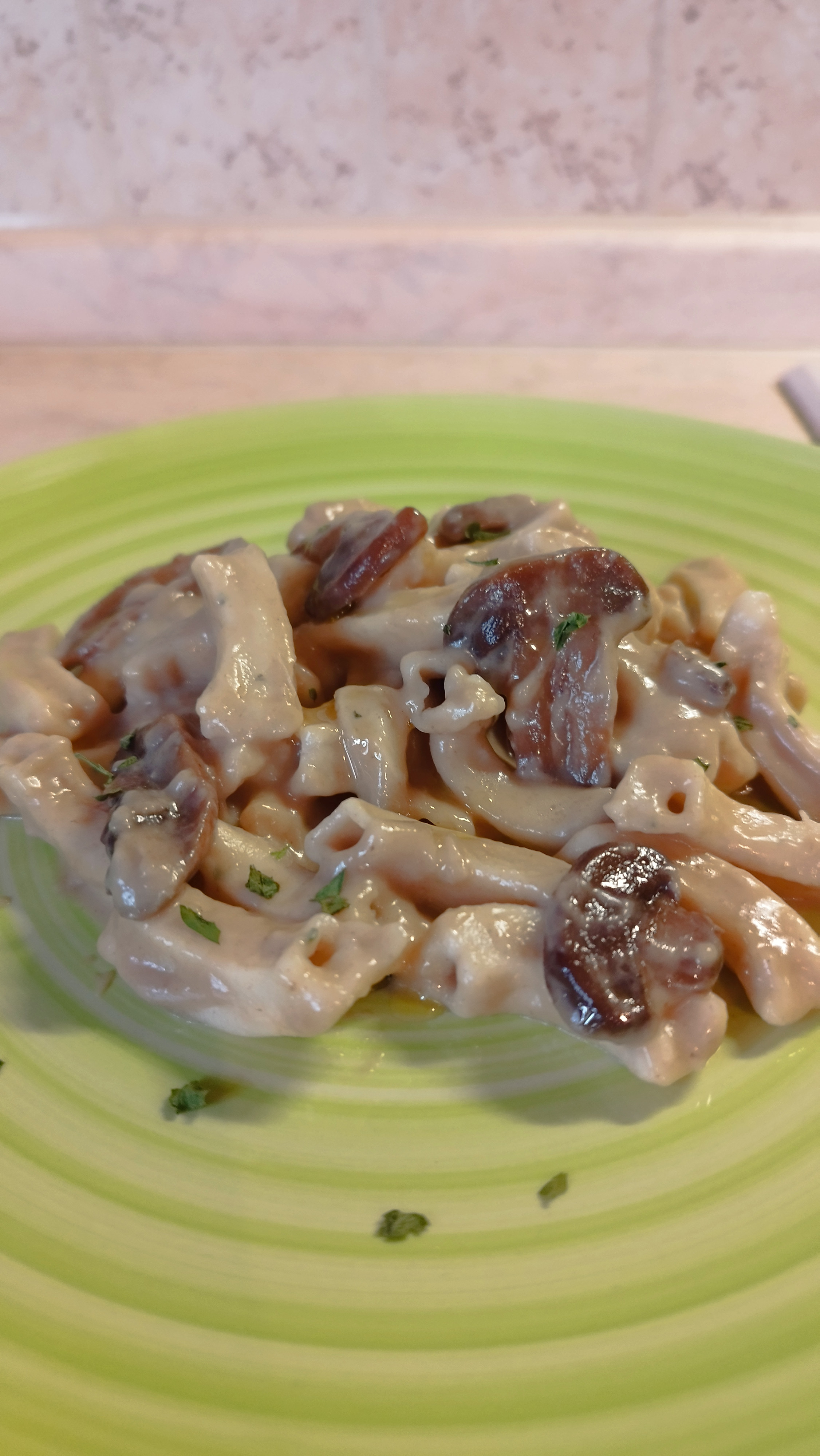 Large Square Ravioli with Champignon Mushrooms: Creamy Fresh PastaRead more
Discover how to prepare "Quadrettoni M50" (large square pasta) with button mushrooms—a creamy, fragrant first course...
-
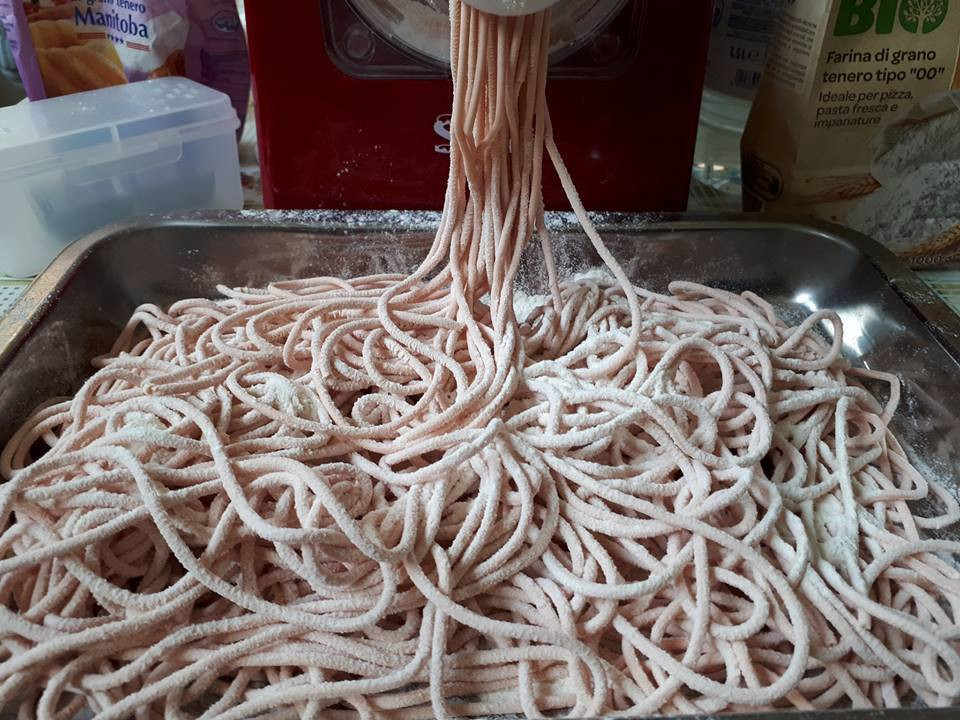 Pasta Rossa al Pomodoro con Pesto Ligure: Ricetta con PASTAMAGIC SIRGERead more
La pasta fresh fatta in casa può diventare ancora più originale with an ingrediente semplice: la passata di pomodoro...
-
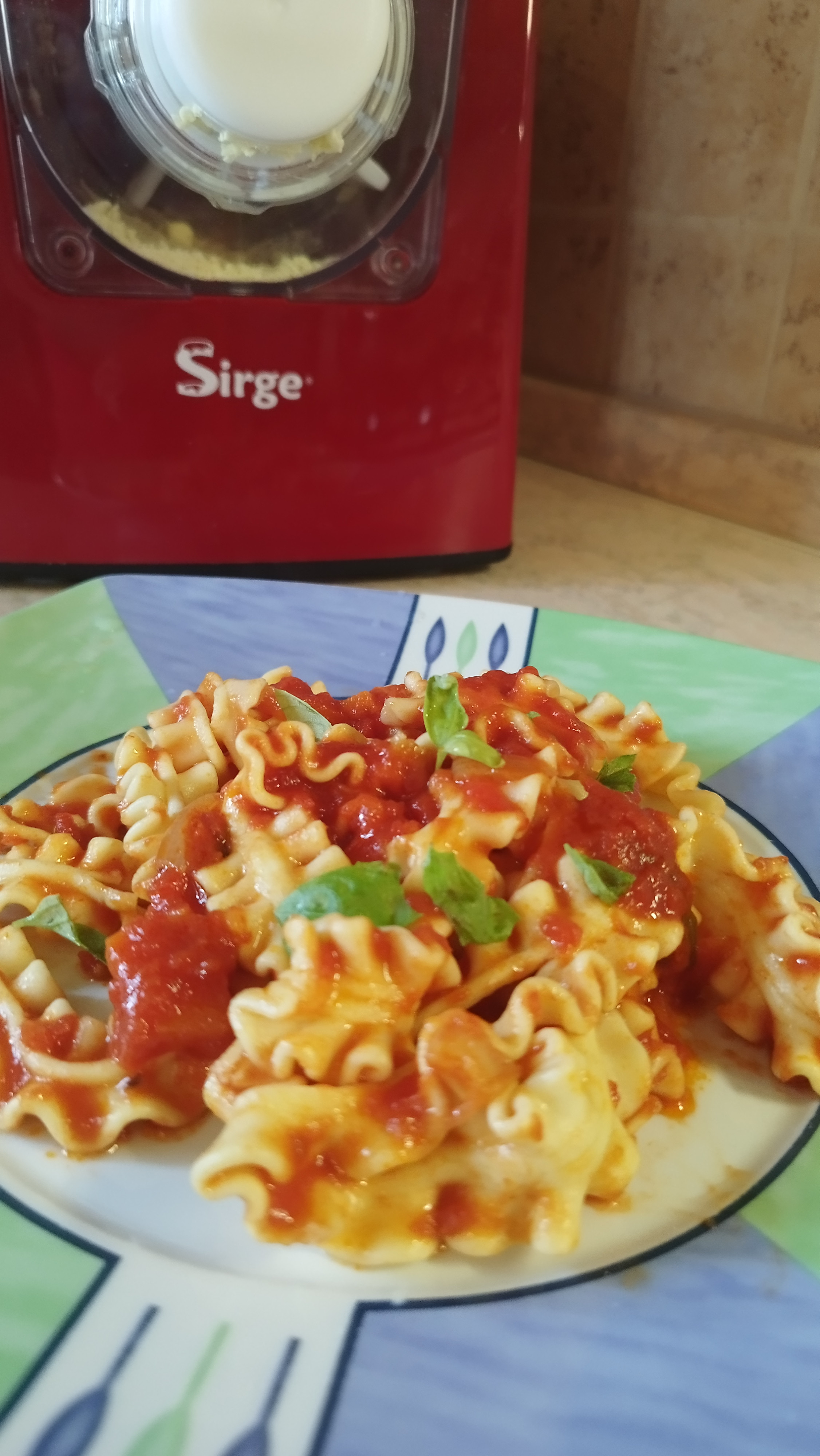 Fresh Pasta with Tomato and BasilRead more
What is your favorite pasta?Mine is, without a doubt, fresh homemade pasta with a good tomato sauce and plenty of...
-
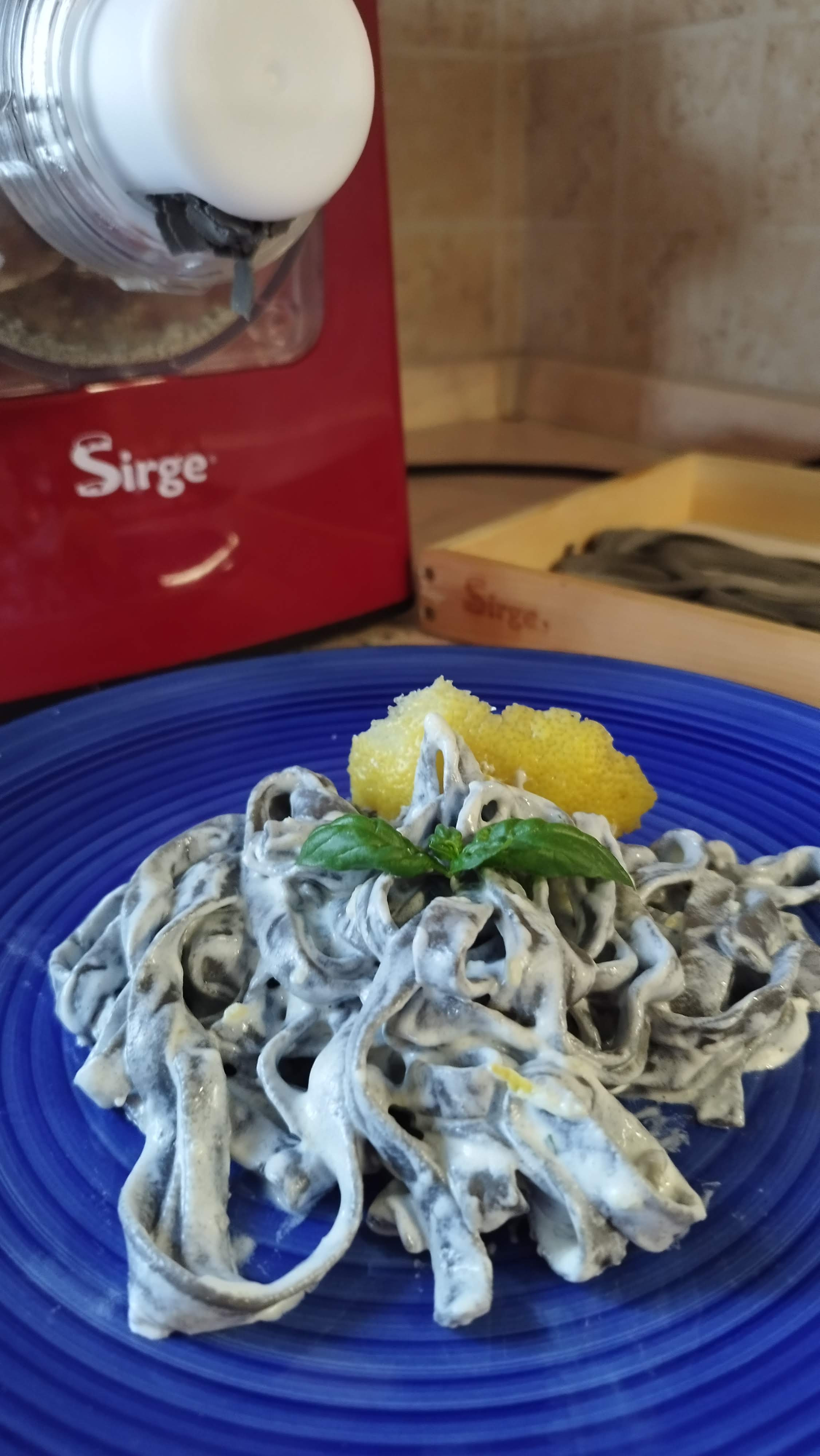 Squid Ink Tagliatelle with Lemon and Basil CreamRead more
A dish that looks like it came straight from a gourmet restaurant, yet one you can easily prepare in the comfort of...
-
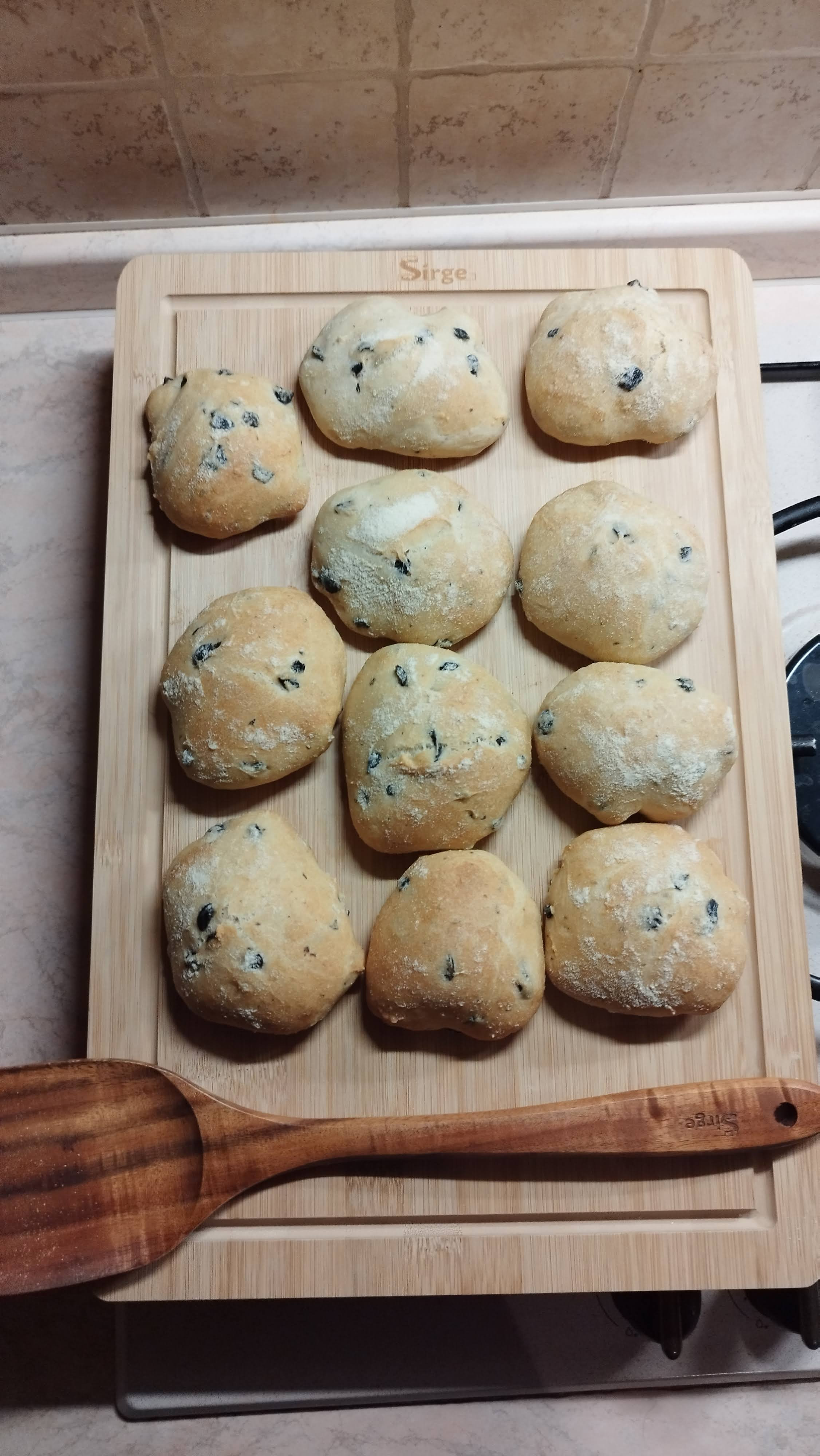 Rustic bread with black olivesRead more
Homemade with PastaMagic: simple, authentic, and irresistible!The aroma of freshly baked bread filling the kitchen,...
-
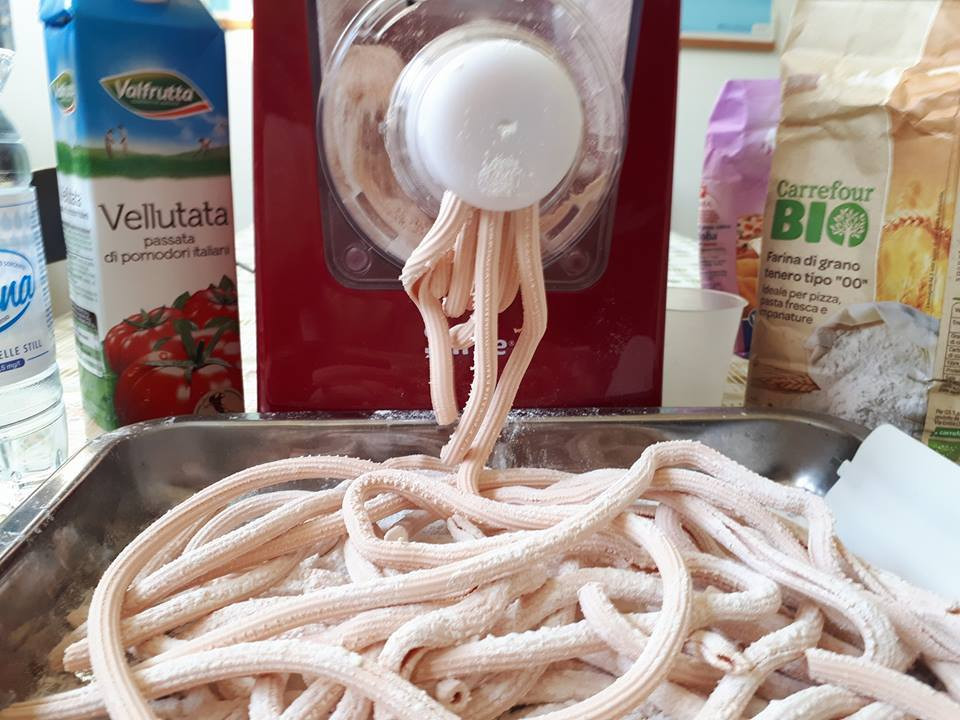 Light Red Pasta: Homemade Fresh Tomato Pasta with Sirge PASTAMAGICRead more
A fresh pasta with a delicate pinkish hue, made using just a few simple ingredients! Discover the recipe for Light...
-
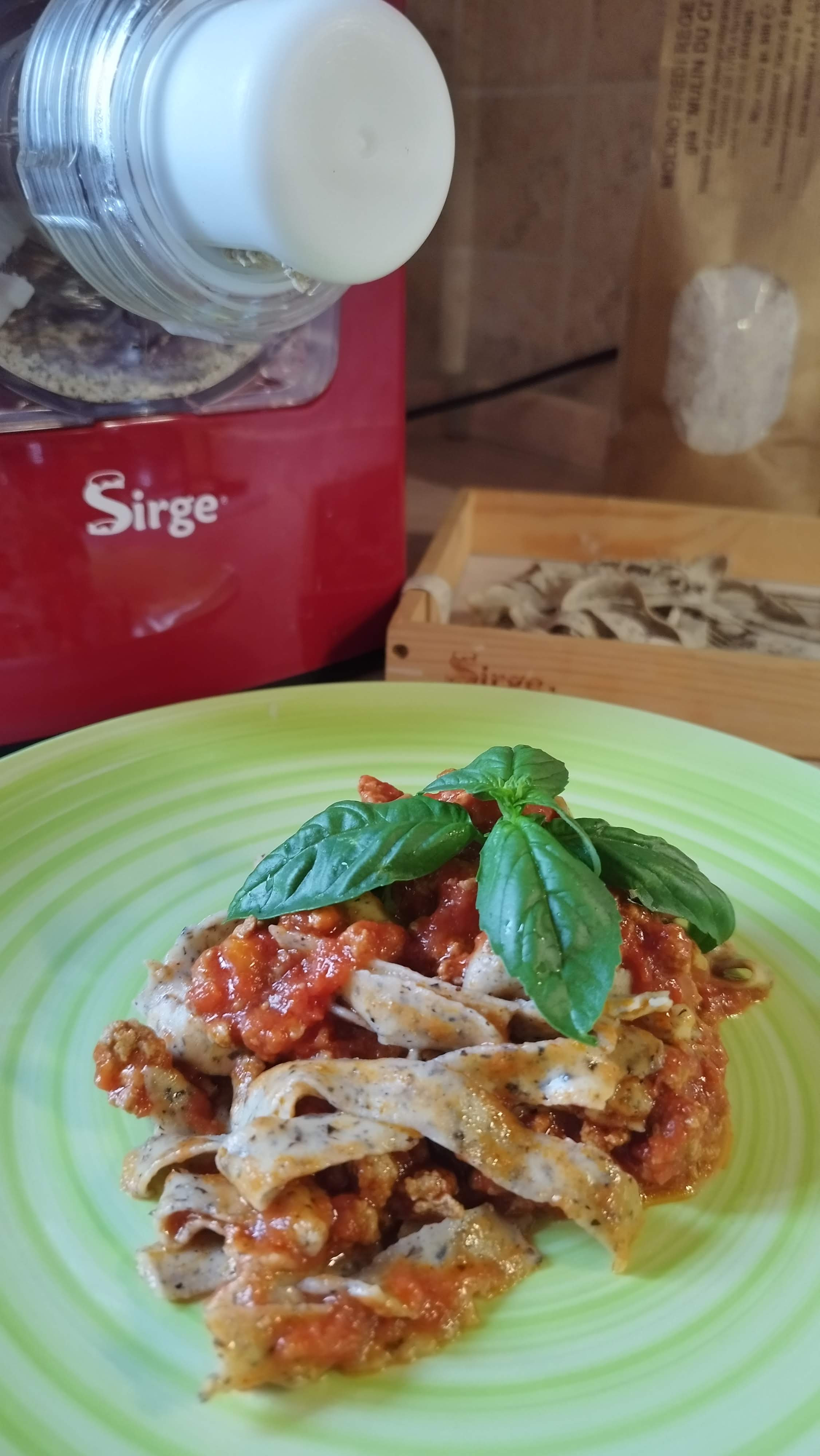 Fresh Buckwheat Pasta: The Pleasure of Making It at HomeRead more
Who says that enjoying good fresh pasta means having to sacrifice creativity?
Blog categories
Search in blog

Does a built-in scale really make for better pasta? 5 reasons why it’s not essential
Does a built-in scale really make for better pasta?
Imagine you’re looking to buy a new machine for making fresh, homemade pasta.
As you start comparing models and looking at their technical specifications, you discover that some machines come with a feature that seems quite appealing: a built-in scale.
You add the flour, the machine detects its weight, and—on some models—it even suggests how much water to add.
Sounds fantastic, right?
But let’s pause for a moment and ask ourselves a question:
Does a machine that automatically weighs the flour necessarily produce better pasta than one without a scale?
The answer is no.
While a built-in scale can certainly be convenient, it is not essential, and it does not, on its own, guarantee a better dough.
The quality of fresh pasta depends on many other factors: the flour used, the correct level of hydration, the additional ingredients, and, above all, the consistency of the dough.
Let’s look at the 5 main reasons why a built-in scale shouldn’t be considered a deciding factor when choosing a pasta machine.
1.
Not all flours absorb the same amount of water.
The first reason is also one of the most important.
300 grams of flour do not always behave in the same way.
There are many different types of flour: soft wheat flour (types 00, 0, and 1), whole-wheat flour, finely ground durum wheat semolina, spelt flour, rice flour, and many others.
Each one has different characteristics.
Protein content, fiber content, the degree of milling, and the overall composition of the flour can all influence its ability to absorb water.
Let’s look at a concrete example
Suppose we prepare two batches of dough using:
- 300 g of type 00 flour.
- 300 g of whole-wheat flour.
A built-in scale will show the same weight: 300 grams.
However, these two flours might require different amounts of water to achieve the ideal consistency.
If we were to automatically add the same amount of liquid to both, we could end up with two very different doughs.
In fact, while a scale measures the weight of the flour, it does not directly measure how much water that specific flour can absorb.
Some machines offer programs for different types of flour, but even then, the suggested proportions are merely reference values—not an absolute guarantee.
The conclusion? Knowing the weight is useful, but understanding how a particular flour behaves is even more important.
2.
Flour moisture can affect the result
Have you ever wondered why a recipe, prepared using the exact same quantities, can sometimes result in a slightly different dough?
One possible explanation is the moisture content of the ingredients.
Flour naturally contains a certain percentage of water, which can vary depending on the raw material and how it has been stored.
Flour stored in a dry environment may have different characteristics compared to flour kept in more humid conditions.
This means that two samples of flour with the same weight do not necessarily contain the same amount of water.
A standard kitchen scale does not measure this variable; it only detects the total weight of the flour.
Consequently, even when the display shows exactly 300 grams, the amount of liquid required might need slight adjustments.
This doesn't mean you need to constantly change your recipe, but rather that it is important to observe how the dough behaves while you are working with it.
The number shown on the display is accurate, but it does not capture all the characteristics of the flour.
3.
Eggs, tomato, and vegetables make a fixed, unchanging ratio unnecessary.
One of the best things about making fresh pasta at home is the opportunity to experiment.
You can make pasta with eggs, tomato, spinach, beetroot, pumpkin, and many other colorful variations.
However, changing the ingredients also changes the characteristics of the dough.
A very simple example: water vs. tomato purée
Imagine using:
- 100 ml of water for a traditional dough.
- 100 ml of tomato purée for a colorful pasta.
The volume is the same, but the two ingredients do not have the same composition.
Water is essentially entirely available as liquid, whereas tomato purée also contains fiber, sugars, and other solids.
sugars and solid substances.
Eggs also contain a certain amount of water, along with proteins and fats.
Purees made from spinach, pumpkin, or beetroot likewise have varying moisture content.
Therefore, weighing the flour does not automatically mean knowing the correct quantity for every other ingredient.
A machine equipped with a scale may suggest different proportions depending on the program, but it does not necessarily know the precise composition of the tomatoes, eggs, or vegetables you are using.
For this reason, the ability to adjust measurements and observe the dough remains essential—especially when you enjoy experimenting with new recipes.
4. A scale cannot, on its own, determine the ideal consistency of the dough.
And here we come to arguably the most important point of all.
The secret to good fresh pasta lies not just in the weight of the ingredients, but in the final consistency of the dough.
In automatic extrusion-based pasta machines, the pasta is prepared via a system that mixes the ingredients and then pushes them through a die.
For the process to work correctly, the dough must have the right characteristics.
Generally, it does not necessarily have to resemble the smooth, soft ball of dough one gets when kneading by hand.
Often, it appears as a granular mixture—resembling small clumps—that becomes compact during the extrusion phase.
What happens if the dough is too dry?
- The pasta may struggle to pass through the die.
- The extrusion process may become uneven.
- The pasta may break more easily.
And what if it is too wet?
- The dough may become sticky.
- The extruded pasta may stick together.
- The shapes may lose their definition.
A standard built-in scale does not directly monitor any of these conditions.
It measures the flour and, perhaps, calculates the amount of liquid based on a pre-set ratio.
However, simply adhering to a ratio does not automatically mean the dough has reached the ideal consistency.
This is why observing the dough and learning to recognize its proper structure can be more... useful than relying exclusively on a single number.
5.
Without an integrated scale, a machine can be simpler and more practical.
Technology should simplify our lives, not complicate them.
A built-in scale requires components dedicated to weighing, electronic sensors, and procedures for zeroing or calibration.
On some models, you must position the container correctly and wait for the system to register zero before adding the flour.
While these operations are generally straightforward, they still represent extra steps.
A machine without an integrated scale eliminates the need to manage a built-in weighing function.
This can mean:
- Fewer tasks related to zeroing the scale.
- No need to calibrate an integrated weighing system.
- The absence of sensors dedicated to this function.
- Greater freedom in choosing your preferred method of measuring ingredients.
- The ability to use a standard, external kitchen scale.
Of course, this does not mean that a machine without a scale is automatically more reliable or durable; quality depends on the design and components of the entire appliance.
But forgoing an integrated scale does not mean sacrificing precision.
A common digital kitchen scale allows you to weigh ingredients separately and can also be used for many other types of food preparation.
Alternatively—and provided the machine's instructions allow for it—you can use the graduated measuring cups supplied with the appliance.
Note: we are not saying that weighing ingredients is unnecessary!
This is a crucial point.
Accurately weighing the... ...flour is useful, especially when we want to achieve consistent, repeatable results.
We are not suggesting that a scale is a useless tool; rather, it simply does not necessarily need to be built into the pasta machine.
An integrated scale can speed up the measuring process and be convenient for those who prefer to follow a guided procedure.
However, it cannot entirely replace an understanding of the ingredients, the selection of the right proportions, and the ability to monitor the consistency of the dough.
A machine with a built-in scale does not automatically produce better pasta than a good machine without one.
PASTA
PASTAMAGIC and PASTARITA SIRGE: what really matters for fresh pasta
When choosing a machine for making homemade pasta, you should primarily evaluate the features that directly impact the preparation process.
The ability to properly process the dough, the quality of the extrusion, the variety of available dies, and ease of use are all crucial factors.
The PASTAMAGIC and PASTARITA SIRGE fresh pasta machines allow you to create numerous pasta shapes and experiment with different dough recipes—all without the need for a built-in scale.
Key features include:
- 22 included dies for preparing a wide variety of fresh pasta shapes.
- 300W motor for effective dough processing.
- Dedicated kneading and extrusion programs to manage the preparation process.
- The flexibility to experiment with different flours and ingredients (following the provided usage guidelines).
- Included measuring tools to make ingredient portioning easy.
The final result depends on properly preparing the dough, choosing the right recipe, and using the machine correctly.
It does not depend on the mere presence of a built-in scale.
DISCOVER THE SIRGE PASTAMAGIC PASTA MACHINE
How do you choose a good fresh pasta machine?
Before getting swayed by a single technological feature, it is worth considering a few key aspects:
- Dough quality: the machine must process the ingredients effectively.
- Extrusion: the system should produce well-defined pasta shapes.
- Available dies: a variety of dies expands your culinary possibilities.
- Ease of use: intuitive programs and straightforward procedures.
- Cleaning and maintenance: components should be accessible and easy to handle.
- Versatility: the ability to prepare recipes using different types of flour and ingredients.
These are factors that deserve attention when comparing pasta machines, regardless of whether or not they include a built-in scale.
Conclusion: good fresh pasta isn't just measured in grams
The next time you see a pasta machine advertised for its integrated scale, remember one thing:
A scale measures the weight of the ingredients, but it cannot, on its own, guarantee the quality of the dough.
Every type of flour has different characteristics; humidity levels can vary; additional ingredients alter the proportions—and ultimately, it is the final consistency that truly matters.
While an integrated scale can be a convenient feature, it should not be the primary criterion for choosing a pasta machine.
fresh pasta.
The real difference comes down to a good machine, the right ingredients, and the ability to recognize the ideal dough consistency.
For this reason, before making a purchase, consider what the machine is truly capable of preparing—look beyond just the functions listed on the packaging.
With SIRGE, you can discover the joy of homemade fresh pasta, experimenting with different recipes, flours, and shapes.
MAKE YOUR OWN FRESH PASTA WITH SIRGE PASTAMAGIC
SIRGE – A passion for homemade fresh pasta.
Posted in: Macchine per Pasta
Related posts
-
 Sample blog titleLorem ipsum dolor sit amet, consectetur adipiscing elit, sed do eiusmod tempor incididunt ut labore et dolore magna...Read more
-
 Pasta Fresca Fatta in Casa: La Tradizione che Protegge il Gusto e la SaluteNegli ultimi tempi, il panorama alimentare è cambiato radicalmente. Con l’introduzione di nuovi ingredienti, come le...Read more
-
 Tradizione in Tavola: La Magia della Pasta Fresca con SirgeLa macchina per pasta Sirge trasforma ingredienti semplici in momenti di gioia, creando sapori autentici e tradizioni...Read more
-
 Il Sapore delle TradizioniIn un villaggio italiano, Lucia crea pasta fresca con passione. Un viaggiatore la aiuta a mescolare tradizione e...Read more
-
 Il Futuro della Pasta Fresca nei Viaggi SpazialiIl futuro della pasta fresca nello spazio: come le macchine per pasta e le colture idroponiche potranno permettere la...Read more
Leave a comment